What Shapes Vape Clouds and Vapour Feel
Learn the main factors behind vapour output, including airflow, coil type, wattage and VG ratio, in a clear guide for shoppers.
Independent explainers, comparisons and practical product guidance for adult Australian shoppers.
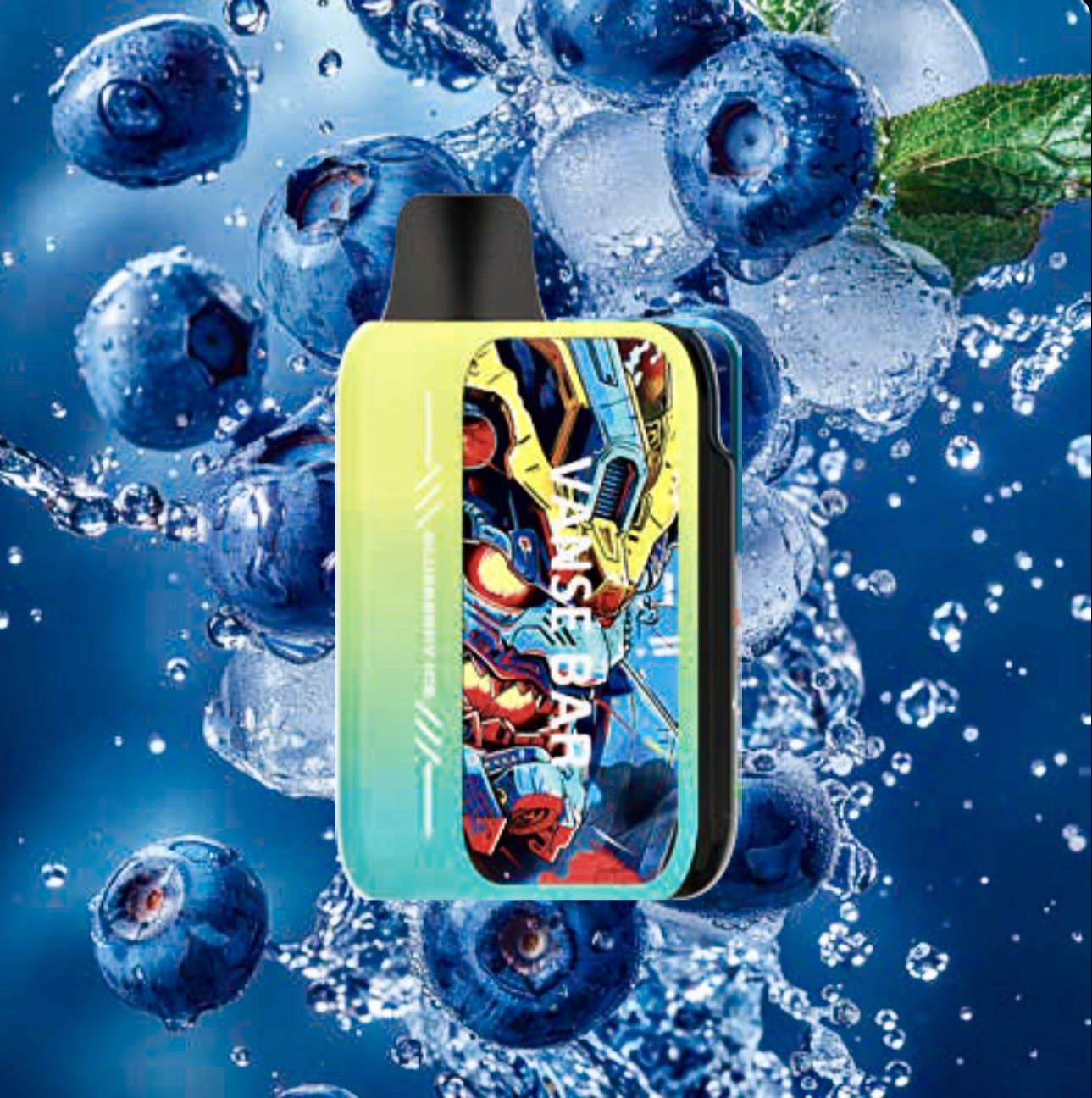
Vapour output is one of the first things people notice when they try different vape setups. Some prefer a smaller, more discreet plume, while others are interested in fuller clouds and a more open feel. The size and texture of vapour depend on several parts working together rather than one single feature.
The most important influences are the liquid blend, the coil, the airflow and the power setting. When those elements are matched well, the result is usually more consistent vapour and a smoother overall experience for the device being used.
How Vapour Is Produced
Vapour is formed when e-liquid is heated and turned into an inhalable cloud. The composition typically includes ingredients such as propylene glycol, vegetable glycerin, flavour and nicotine, though the visible output depends on how the device handles the liquid.
That means cloud production is not just about volume. It also involves how evenly the liquid is drawn into the coil, how much air moves through the chamber, and whether the power level suits the hardware.
The Role of VG and PG
Vegetable glycerin is the main ingredient associated with denser vapour. Higher VG blends generally produce thicker clouds, while liquid with more propylene glycol is usually chosen for a different balance of flavour and throat feel.
Common blend ratios are often discussed in terms of practical use:
- 50/50 blends: A balanced option that aims to keep vapour and flavour in reasonable proportion.
- 70/30 VG blends: Often chosen when users want a fuller cloud without losing too much flavour detail.
- 80/20 VG blends: Typically associated with a thicker vapour output.
Hardware Factors That Change the Result
Coil design has a big impact on how a device performs. Sub-ohm coils, which sit below 1.0 ohm, are often used in setups intended for larger vapour output because they can handle higher wattage and heat up quickly.
Different coil styles also alter the experience. A single coil may produce a more moderate result, while dual coils can increase vapour production. Some coil types, such as Clapton-style builds, are known for offering more surface area.
Airflow and Power Settings
Airflow plays a practical role in shaping the cloud. More open airflow usually cools the vapour and can support larger output, while tighter airflow can create a more restricted draw.
Power settings also matter because wattage affects how much heat reaches the coil. The correct range depends on the device and coil being used, so matching the power setting to the setup is part of getting a consistent result.
Balancing Cloud Size With Everyday Use
People chasing bigger clouds often look for a combination of higher VG liquid, suitable coils and open airflow. Others may prefer a more measured setup that still performs well without focusing only on maximum output.
The best choice depends on the device, the liquid and the user’s preference for draw style and vapour density. There is no single configuration that suits everyone, which is why many shoppers compare hardware features before buying.
In practice, the most useful approach is to match liquid composition with the coil and airflow the device was designed for. That makes the result more predictable and helps the setup perform as intended.
For shoppers comparing options, vapour quality is usually about balance rather than extremes. Once the key pieces line up, cloud production becomes much easier to understand and control.
Keep exploring
Visit the Local Cig Supply article library for more product explainers and comparison guides.