Vape Trends in Australia for 2026
See how Australia’s vape market, regulations and leading brands are changing in 2026, plus what specs shoppers compare before buying.
Independent explainers, comparisons and practical product guidance for adult Australian shoppers.
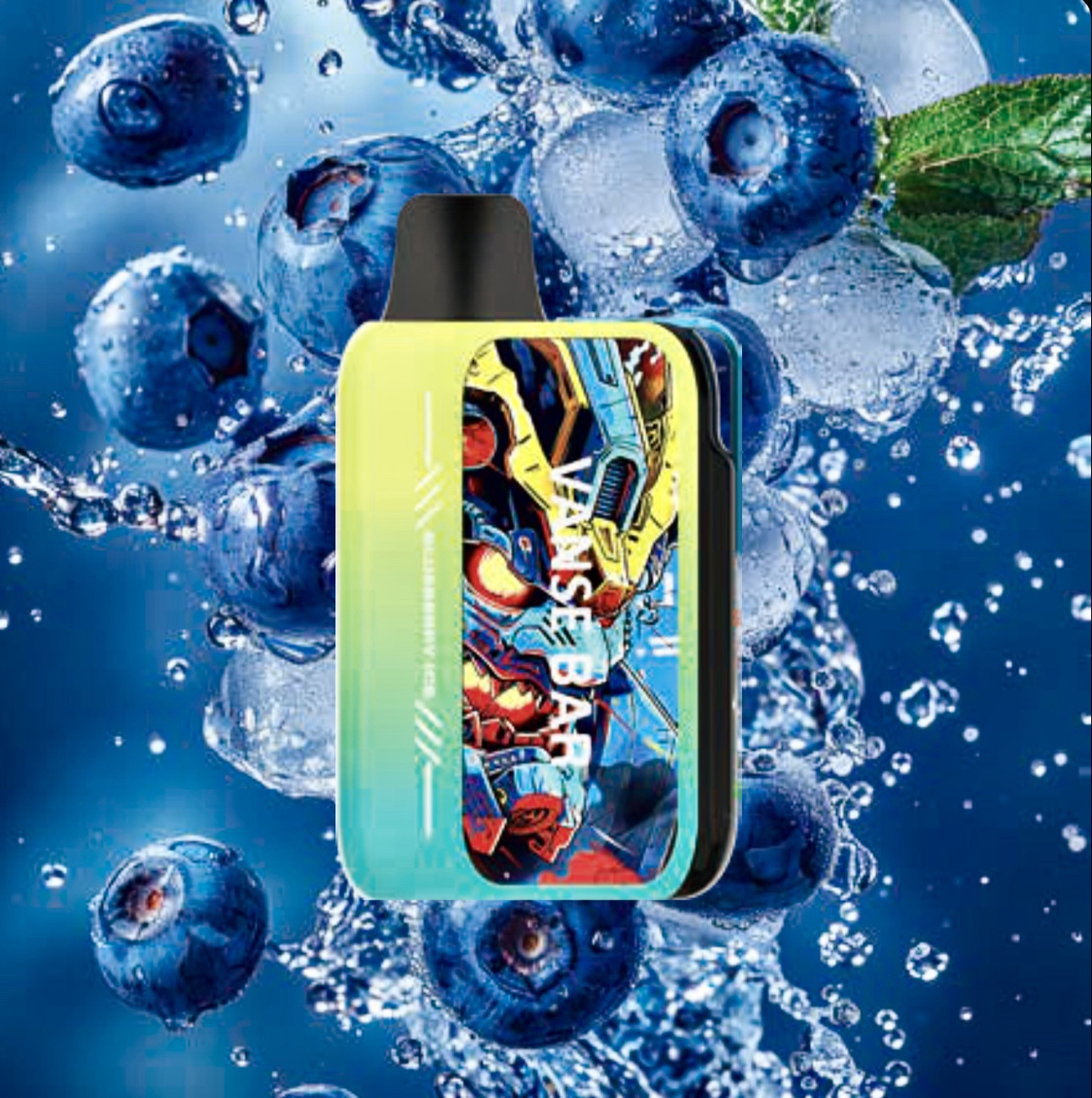
Australia’s vape market in 2026 is shaped by three overlapping forces: higher consumer demand, tighter regulation and a shift toward more advanced devices. The result is a market where product comparison has become more important, because not all devices are built or sold in the same way.
Market data shows the category has reached meaningful scale. IMARC Group valued the Australian e-cigarette market at USD 518.6 million in 2025, with projections pointing to USD 814.2 million by 2034. At the same time, around 1.7 million Australian adults are reported to vape, and usage increased significantly in 2024.
The shape of the market
One of the clearest changes in recent years is the move toward higher-capacity devices. Earlier disposable products typically offered far fewer puffs, while current devices commonly sit in the 9,000 to 20,000 puff range. That shift reflects consumer interest in longer use between replacements and more functional device design.
Technology is also driving the category forward. Mesh coils, USB-C rechargeability and dual-tank or adjustable-cooling formats are all part of the current product landscape. These features mainly affect consistency, convenience and how much control a user has over the device.
Global data supports the same picture. The worldwide e-cigarette market reached USD 26.0 billion in 2025, and the projected growth path suggests the category will continue expanding in the years ahead.
Brands that stand out in Australia
Alibarbar and IGET ONE are two of the most visible names in the current Australian market. Alibarbar is associated with premium design and adjustable features, while IGET ONE is known for broad flavour choice and rechargeable high-capacity devices.
Alibarbar products
The Alibarbar Ingot 9000 is described with a 22 mL e-liquid capacity, 9,000 puffs and a metal body with LED display. The range includes 29 flavours across berry, tropical, candy, drink-style and menthol options. Another model, the Ice Adjust 12000, adds USB-C charging and adjustable cooling control through a dual-tank style layout.
Alibarbar also offers the Ingot 20000, which is positioned for users wanting a larger-capacity device. Across the range, the brand’s identity is tied to features that make the device easier to compare on specifications rather than on appearance alone.
IGET ONE 12000
The IGET ONE 12000 is a rechargeable device rated for 12,000 puffs and equipped with USB-C charging. It is described as offering more than 20 flavour options, which gives it a different appeal from models that focus more on hardware features.
For shoppers deciding between the two brands, the main differences are straightforward: Alibarbar leans into adjustable cooling and finish details, while IGET ONE offers a wider flavour spread and simple rechargeability.
How the regulations affect buying
Since July 2024, vaping products have been treated as therapeutic goods under the TGA framework. In most states, adults aged 18 and over can buy nicotine vaping products from pharmacies without a prescription if the nicotine concentration is 20 mg/mL or less. The legal pharmacy pathway only covers tobacco, mint and menthol flavours.
Tasmania and Western Australia apply stricter access rules and require prescriptions for all ages. Western Australia has also introduced stronger penalties for breaches, with fines reaching up to $4.2 million for individuals and $21 million for corporations in some cases.
Enforcement has been substantial. The Australian Border Force has seized more than 19 million vapes since the import ban began, including 4 million units between December 2025 and March 2026. Those figures underline why product sourcing and listing clarity matter so much.
What buyers tend to compare
Most shoppers start with the same set of checks: puff count, e-liquid capacity, battery type and charging method. Once those basics are clear, flavour range and special features become the deciding factors. That is especially true when comparing two products in the same capacity band.
For example, a high-puff device with a rechargeable battery may suit regular users better than a smaller non-rechargeable model. By contrast, a user who wants a more compact option may prioritise simplicity over maximum capacity. The best comparison is the one that matches the device to the way it will be used.
- Capacity: puff count and e-liquid volume
- Power: battery size and USB-C charging
- Flavour: range and style of flavours offered
- Features: adjustable cooling, mesh coil or display
What looks likely next
The category is likely to keep moving toward higher-quality, longer-lasting products. Rechargeable devices with clearer specifications are already replacing simpler disposables in many product listings. That means comparison based on listed features will remain the most useful way to shop.
For Australian buyers, the practical lesson is to stay across the rules and read the product information closely. Whether you are looking at Alibarbar or IGET ONE, the details that matter most are still the ones printed in the specifications: capacity, charging, flavour range and any adjustable features.
As 2026 unfolds, the market looks set to keep rewarding products that are easy to compare and straightforward to use within the current framework.
Keep exploring
Continue comparing options in our Alibarbar INGOT range and IGET One range, or visit the Local Cig Supply article library for more product explainers.