Understanding Puff Count on Disposable Vapes
Learn how puff count is measured, how it affects device lifespan, and what to compare when choosing a disposable vape format.
Independent explainers, comparisons and practical product guidance for adult Australian shoppers.
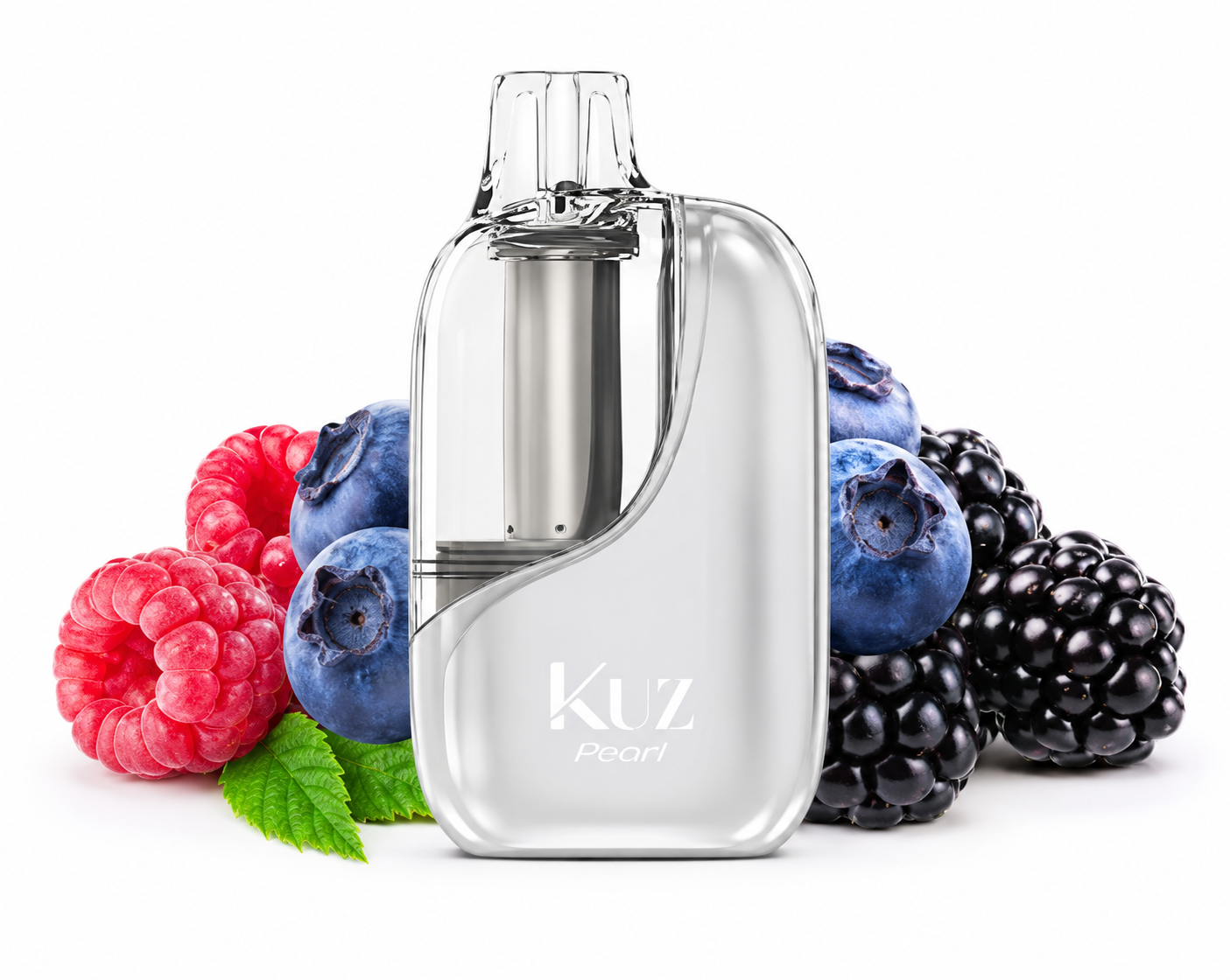
Puff count is one of the simplest ways to compare disposable vapes, but it is only a guide rather than an exact promise. It gives an estimate of how many draws a device may provide before the liquid or battery is used up.
Because puff count affects how often a device may need replacing, it is a useful starting point when comparing products of different sizes. It also helps buyers think about value, portability and how much capacity they actually need.
What puff count actually means
Manufacturers use puff count to describe the approximate number of inhalations a device can deliver. In the source material, a puff is generally measured as a short draw under standard testing conditions.
In practice, real-world use can differ. How long each draw lasts, how frequently the device is used and the way someone inhales all influence the result, so the final number is usually lower than the stated figure.
Why the printed number is only a guide
Two people can use the same device and get different results. A person who takes short, occasional draws will generally get more use from it than someone who uses it more frequently or takes longer puffs.
That is why puff count is best treated as a comparison tool rather than a guarantee. It helps with planning, but it does not tell the full story on its own.
Comparing lower and higher capacities
Smaller-capacity devices usually have a lower upfront cost and can suit buyers who want something compact. Higher-capacity models are designed for longer use between replacements and often appeal to people who do not want to reorder as often.
The source material lists several examples across the range, including 9,000, 10,000, 12,000, 16,000 and 30,000 puff devices. These figures are useful when comparing size and expected lifespan across brands.
The most suitable option depends on how often the device is likely to be used, how much you want to spend at once and whether compactness or duration matters more to you.
Value, cost per puff and bundle buying
Higher puff counts often provide better cost-per-puff value, but the lowest unit cost does not always mean the best fit. A larger device may suit one buyer, while a smaller one may be enough for another.
Bundle packs can change the equation again. The source notes that multi-packs may lower the cost per device compared with buying one at a time, which is worth considering if you already know the flavour or model you want.
When comparing options, it is sensible to look at both the upfront price and the likely lifespan. That combination gives a clearer picture than puff count alone.
Does a higher puff count mean a better vape?
Not automatically. Puff count reflects capacity, not every aspect of performance. Two devices can have very different puff counts while still being aimed at different kinds of buyers.
Flavour range and device design also matter. The source material notes that mesh coils are used across the brands mentioned, and that these products are positioned at different capacities rather than being defined by puff count alone.
In short, puff count is a practical comparison point, but it should sit alongside size, flavour preference and overall value when you are deciding what to buy.
Keep exploring
Continue comparing options in our Alibarbar INGOT range and IGET One range, or visit the Local Cig Supply article library for more product explainers.