How to Compare Cigarettes Online in Australia
Learn how to compare cigarette search results, brands, cartons and single packs online, plus the checks that help you choose the right page.
Independent explainers, comparisons and practical product guidance for adult Australian shoppers.
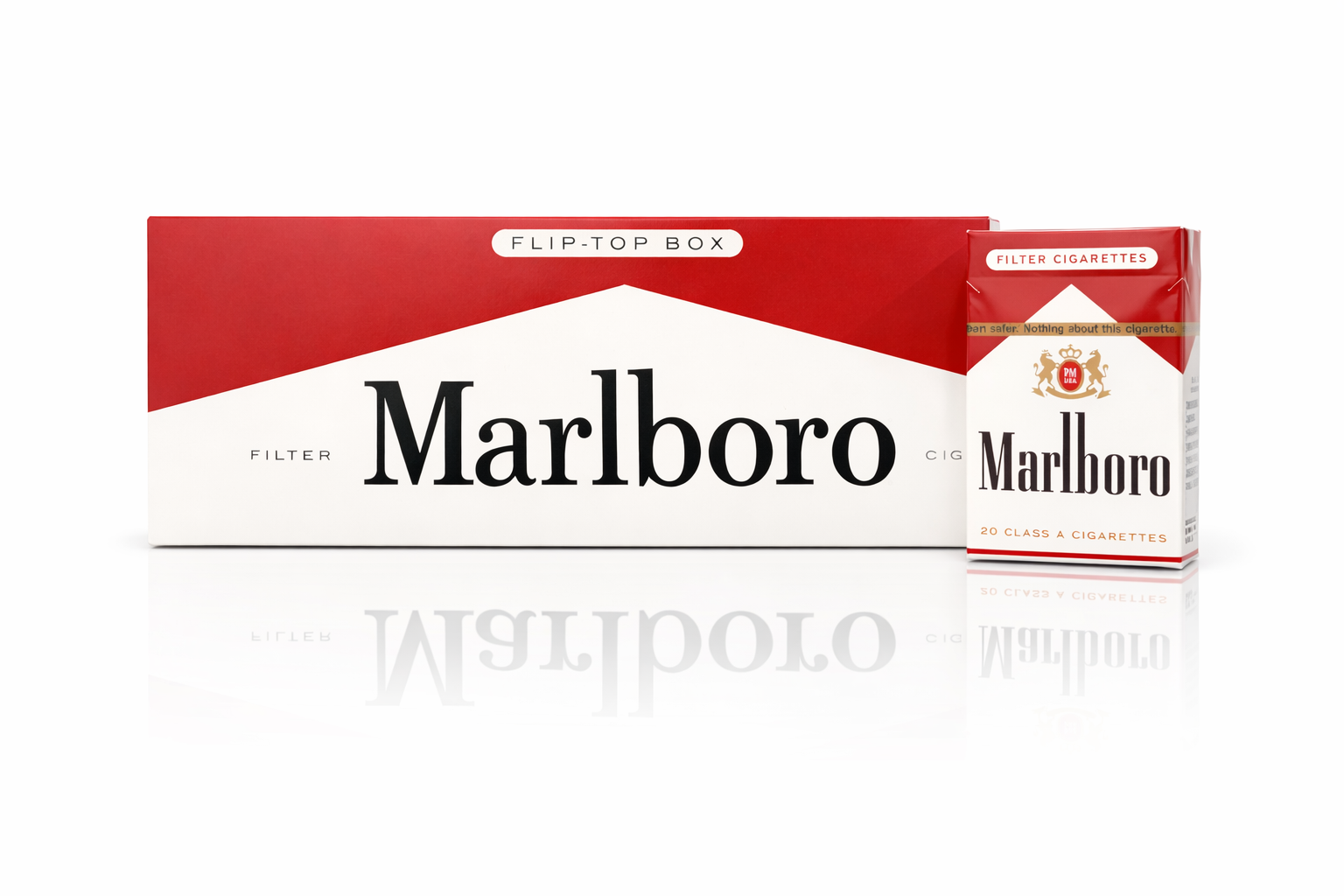
Searching for cigarettes online usually means the buyer is already comparing a few options and wants the next step to be clear. Some shoppers are looking at a brand family, while others are checking whether a carton, packet or broader category page is the better place to start.
For Local Cig Supply QCart, the most useful approach is to match the search wording with the right product path. That means using the article to explain the difference between a broad search, a brand search and a value-led search, then directing the reader to the most relevant store section.
What the search usually suggests
Queries like cigarettes online can signal different buying intentions even when the wording looks simple. One person may want a familiar brand name, another may be comparing pack formats, and another may only be deciding whether to browse a category page first.
A good page should reflect that range instead of repeating the same phrase over and over. When the search includes words such as cheap, for sale or Australia, the reader is often looking for a commercial path rather than a general explanation. When the search includes a brand term, the reader is usually closer to a specific product family.
This is why a useful article should point to the page type that best matches the query. A general browse search needs a category route. A more exact brand or model search needs a closer product page or a tightly related group of products.
What to compare before choosing
The most practical comparison is not between random listings, but between closely related items. Start with the exact product name, then check the pack or bundle format, then look at whether the page is showing a single item or a broader category with nearby alternatives.
For shoppers comparing across tabs, the main checks are straightforward: the product name, the flavour or format wording, whether the page is a bundle or a single pack, and whether the listing sits in the right category. These details matter more than a generic headline promise.
If the first option does not match, move within the same brand family before jumping to something unrelated. That keeps the comparison focused and makes it easier to decide whether the problem is the product itself or simply the page you opened first.
Examples of useful comparison points
- Brand or model match: check whether the product name reflects the exact search wording.
- Format: confirm whether the page is showing a single pack, a carton or a bundle.
- Category fit: decide whether a product page or a wider browse page is more appropriate.
- Alternative options: compare a close substitute before moving to a different product family.
How to judge value without losing relevance
Price matters, but only after the product match is correct. A lower visible price is not very useful if the pack size or product family does not suit what the shopper was actually searching for. It is better to start with the right item and then compare value within that same range.
For first-time comparison, a single pack can be easier to assess because the buyer is still checking the name, format and category fit. For repeat buyers, a larger bundle may be easier to compare because the product family is already familiar and the question becomes one of overall value rather than identification.
That is why commercial pages work best when they present both the main listing and closely related alternatives. Readers can stay within the same family, weigh up the format, and decide whether a larger quantity or a different page makes more sense.
Where this kind of search should lead
Broad online searches are usually best served by a category path, while exact brand searches are usually better handled by a product or brand-specific page. That separation helps the reader move faster and avoids sending every visitor to the same general landing page.
For Local Cig Supply QCart, the most relevant next steps are the pages that match the stage of the search. A broad browse query should land on a wider category. A product-focused query should go to a closer match. A value search should only move to a bundle page once the product family has already been confirmed.
This keeps the shopping journey simple: identify the type of query, confirm the product family, then compare the closest alternatives before making a final choice.
Useful pages to open next
These store pages are the most natural follow-on points after reading this guide:
- Cigarettes — a primary category path for buyers who want to browse more broadly.
- Vapes category — a broader commercial path when the search is not yet fully specific.
- Shop all products — a fallback route for shoppers who want to compare across the store.
- Alibarbar Ingot 9000 — a closer model or brand match for searches in that family.
Choosing the right page is mostly about matching intent. If the query names a brand, start near that brand. If the query is broad, use a category or shop page. If the query is about value, compare the format and family first so the price check stays meaningful.
Final take
When someone searches cigarettes online, the best result is usually the one that helps them compare one exact product, one close alternative and one wider category view. That approach keeps the decision practical and stops the page from becoming an unfocused list.
Used this way, the article supports the store’s commercial pages while still giving readers a clear way to narrow their choice. The result is a better fit for both browsing and buying.
Keep exploring
Continue comparing options in our Alibarbar INGOT range and IGET One range, or visit the Local Cig Supply article library for more product explainers.