Five Hardware Checks for Modern Flavour Devices
Explore five practical hardware checks for modern flavour devices, from battery consistency to materials, display features and compliance details.
Independent explainers, comparisons and practical product guidance for adult Australian shoppers.
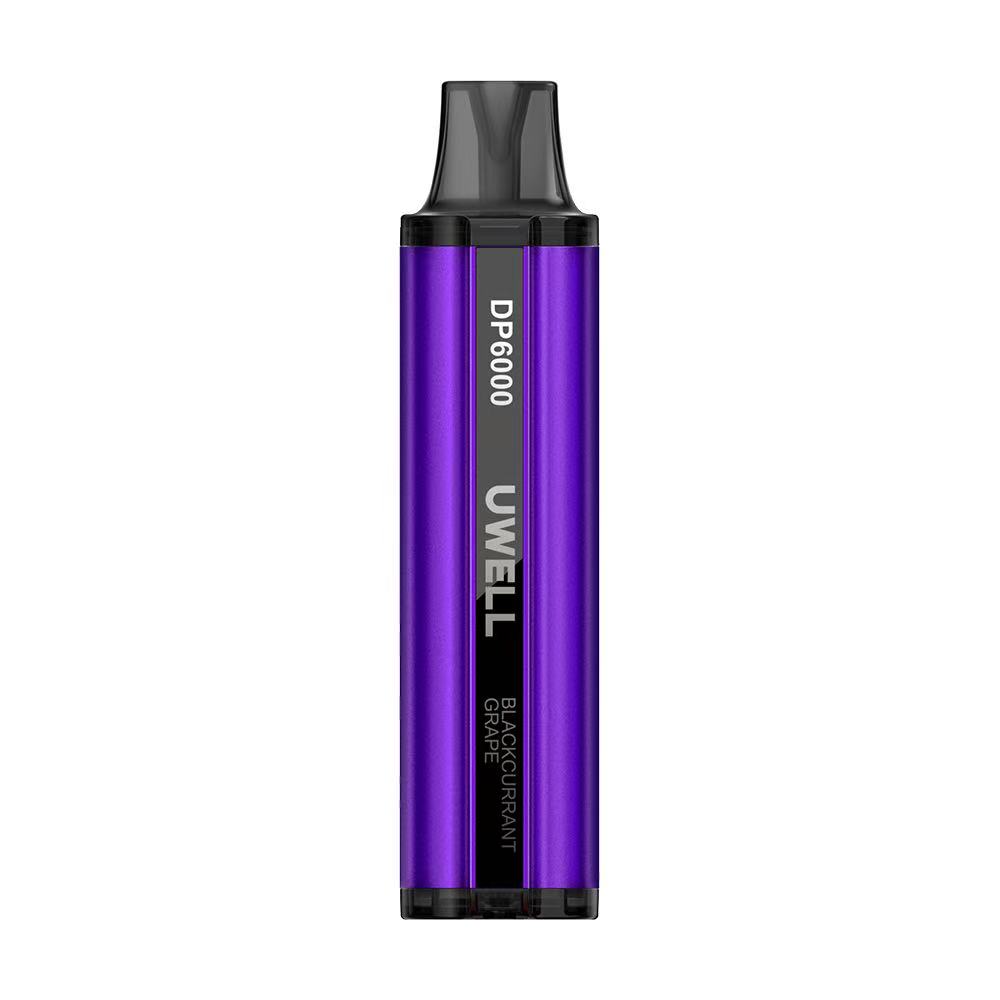
When shoppers compare modern flavour devices, the most useful differences are usually found in the hardware rather than the packaging. Battery output, coil setup, materials and display features can all affect how a device feels in everyday use.
This guide looks at five technical points that are commonly used to compare higher-capacity options. The aim is to help readers understand what those features mean in practical terms before choosing a device.
Battery consistency matters first
A device with a larger battery is generally designed to keep output steadier for longer. The DP6000 is presented as using a 1600 mAh battery, which is intended to reduce the drop in performance that can happen when power runs low.
That steadier output is important for users who want a more even experience across the life of the device. In simple terms, fewer power swings can mean fewer surprises in how the device feels from one use to the next.
Airflow and coil design shape the draw
The DP6000 uses a straight airway design with airflow control and Pro-FOCS flavour adjustment technology. These features are described as helping create a smoother draw and a more controlled heating process.
The device also uses a 1.2 Ω mesh coil with cotton wicking. A mesh setup spreads heat more evenly than a basic coil, which can help maintain a consistent taste profile over time.
Why this is useful to compare
For buyers, coil and airflow details are worth checking because they affect both comfort and flavour delivery. Devices with clearer engineering details are often easier to compare than those that only list a puff count.
Materials and build quality are part of the value
The DP6000 is described with a metallic outer finish and internal PC and PP materials in the drip tip. Those details point to a device designed with both appearance and durability in mind.
In a busy retail market, the casing and mouthpiece materials are often a practical sign of how the device has been put together. A more solid exterior can also make the product feel more substantial in the hand.
Reading price alongside capacity
Another common comparison point is value. A higher-capacity disposable may cost more upfront, but the question for many shoppers is how the device balances cost with how long it is expected to last.
The DP6000 is described as offering up to 6000 puffs and a 13ml reservoir. Those figures are the kind of details buyers usually check when comparing how often they may need to replace a device.
Look for clear compliance information
Product listings that include compliance details give customers a clearer basis for comparison. The source material notes TGO 110 as the relevant standard for the liquid in legal disposable devices, along with mention of reported nicotine strength and ingredient information.
For shoppers, this type of information is useful because it helps separate basic hardware claims from the details that matter at the point of purchase. It also makes the product page easier to assess alongside other regulated options.
Overall, the strongest comparisons come from looking at battery stability, airflow, coil type, build materials and product information together. Those details give a better sense of how a device is likely to perform than advertising language alone.
Keep exploring
Visit the Local Cig Supply article library for more product explainers and comparison guides.